滾動(dòng) vs 滑動(dòng):導(dǎo)軌絲杠選錯(cuò),磨損翻倍、維護(hù)成本直接飆升
來(lái)源:http://m.traderpanda.net/ 日期:2026-03-27 發(fā)布人:
滾珠絲桿VS梯形絲桿選型全解析
Full analysis of selection between ball screw and trapezoidal screw
我們今天來(lái)聊一聊這個(gè)滾珠絲桿和梯形絲桿在選型的時(shí)候的一些對(duì)比,各自的優(yōu)缺點(diǎn)和適用的場(chǎng)景。好,那我們就趕緊開(kāi)始吧,我也非常想知道這兩種絲桿到底有什么不一樣的地方,咱們先來(lái)聊一聊,就是這兩種絲桿,它在核心的設(shè)計(jì)理念上面到底有什么不一樣,然后導(dǎo)致它們的使用場(chǎng)景會(huì)有這么大的差別?
Today, let's talk about the comparison, advantages and disadvantages, and applicable scenarios of this ball screw and trapezoidal screw when selecting. Okay, let's get started quickly. I really want to know what are the differences between these two types of screws. Let's talk about them first. What are the differences in their core design concepts that lead to such a big difference in their usage scenarios?
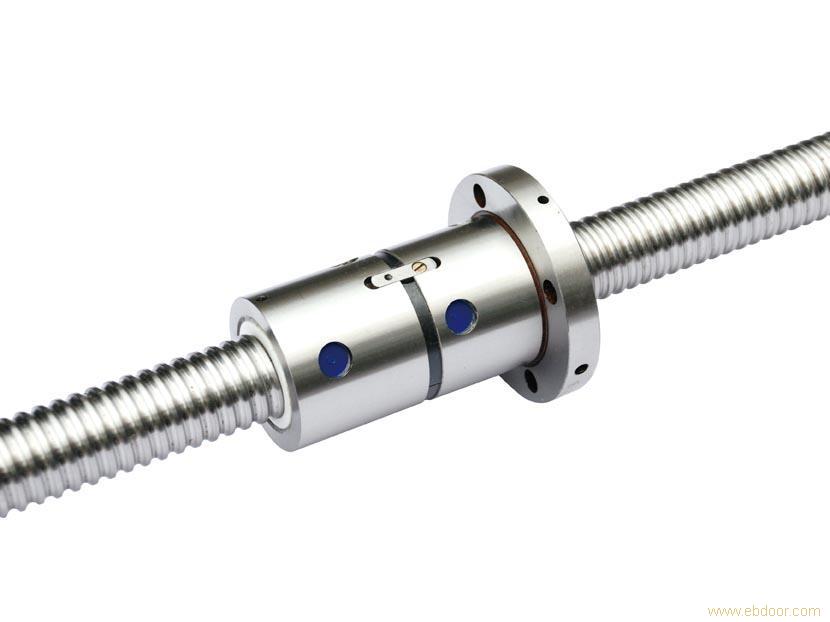
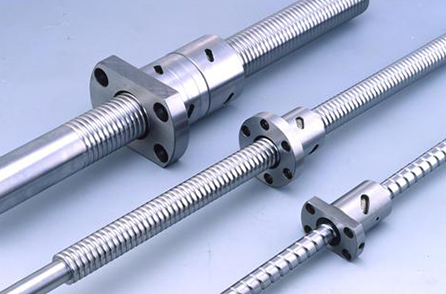
滾珠絲桿,它的設(shè)計(jì)核心是追求性能,就是它的負(fù)載,它的速度。它的壽命。這些東西是它的設(shè)計(jì)核心,同時(shí)他要非常關(guān)注濕吻,臨界轉(zhuǎn)速這些問(wèn)題,那梯形絲桿呢?它的設(shè)計(jì)核心主要就是功能和成本。就是它能不能自鎖,它的強(qiáng)度夠不夠,它的磨損怎么樣?就是它的設(shè)計(jì)核心是這些東西,所以這就導(dǎo)致了滾珠絲桿,就像一個(gè)運(yùn)動(dòng)員。就是他要追求更快,更高更強(qiáng),然后 T 型四桿就更像是一個(gè)那種老黃牛,就是他要很踏實(shí),很穩(wěn)定,同時(shí)要很便宜,那就是說(shuō)他們?cè)谠O(shè)計(jì)理念上面確實(shí)是。天差地別,然后所以他們的應(yīng)用場(chǎng)景也會(huì)。因此而非常的不一樣。
Ball screw, its design core is to pursue performance, which is its load and speed. Its lifespan. These things are the core of its design, and it needs to pay special attention to issues such as wet kisses and critical speeds. What about the trapezoidal screw? Its design core is mainly about functionality and cost. Is it capable of self-locking, is its strength sufficient, and how is its wear and tear? The core of its design is these things, so this leads to a ball screw, like an athlete. He wants to pursue speed, height, and strength, and the T-shaped four bar is more like an old ox. He needs to be very down-to-earth, stable, and cheap at the same time, which means they are indeed in terms of design philosophy. The world is vastly different, so their application scenarios will also vary. Therefore, it is very different.
對(duì),因?yàn)檫@個(gè)就決定了滾珠絲桿,它就是用在那種高精度,高速度的場(chǎng)景,比如說(shuō)是加工中心機(jī)器人這種場(chǎng)景,那梯形絲桿呢,就用在一些對(duì)精度要求不是非常高,但是對(duì)成本非常敏感的地方,比如說(shuō)一些簡(jiǎn)單的升降,一些手動(dòng)調(diào)節(jié)的機(jī)構(gòu),這種地方,這兩種絲桿在。軸向負(fù)載的能力上面和壽命上面,它們的設(shè)計(jì)的關(guān)注點(diǎn)和計(jì)算的方法有什么不一樣呢?滾珠絲桿它的核心的指標(biāo)是它的額定動(dòng)載荷,然后它的壽命是通過(guò)這個(gè) l10壽命公式來(lái)計(jì)算的,它算出來(lái)的。這個(gè)壽命是指在90%的可靠性下。他能走的總行程?這個(gè)是它的一個(gè)核心的指標(biāo)。
Yes, that's why the ball screw is used in high-precision and high-speed scenarios, such as machining center robots. The trapezoidal screw is used in some places where precision is not particularly high but cost is very sensitive, such as simple lifting and manual adjustment mechanisms. In these places, these two types of screws are used. What are the differences in the design focus and calculation methods between axial load capacity and lifespan? The core indicator of a ball screw is its rated dynamic load, and its lifespan is calculated using the l10 lifespan formula. This lifespan refers to 90% reliability. What is the total itinerary he can take? This is one of its core indicators.
那梯形絲桿呢?它的設(shè)計(jì)的核心是要保證它的靜態(tài)強(qiáng)度,就是它的非常大負(fù)載下的壓應(yīng)力。拉應(yīng)力要小于它的許用應(yīng)力,所以它的公式就是壓應(yīng)力,等于它的非常大負(fù)載,除以它的。絲桿的根部的截面積,它的核心是要避免它發(fā)生塑性變形或者是斷裂。那這兩種絲桿在速度上面,或者說(shuō)在轉(zhuǎn)速上面,它們的限制因素和具體表現(xiàn)有什么不一樣。滾珠絲桿它的速度的限制呢?是來(lái)自于臨界轉(zhuǎn)速和 dn 值,就是它的臨界轉(zhuǎn)速是為了避免它發(fā)生共振,然后它的這個(gè) dn 值是它的這個(gè)滾珠循環(huán)組件的一個(gè)速度的上限。這個(gè)值一般是在7萬(wàn)到8萬(wàn)之間。
What about the trapezoidal lead screw? The core of its design is to ensure its static strength, which is the compressive stress under its maximum load. The tensile stress should be less than its allowable stress, so its formula is compressive stress, which is equal to its maximum load divided by it. The cross-sectional area of the root of the screw rod, its core is to avoid plastic deformation or fracture. What are the differences in limiting factors and specific performance between these two types of screw rods in terms of speed or rotational speed. What is the speed limit of a ball screw? It comes from the critical speed and dn value, which means that its critical speed is to avoid resonance, and its dn value is the upper limit of the speed of its ball circulation component. This value is usually between 70000 and 80000.
不同的廠家會(huì)有一些區(qū)別,那梯形絲桿呢,它的速度的限制其實(shí)主要就是因?yàn)樗幕瑒?dòng)摩擦產(chǎn)生的熱量,所以它的這個(gè)速度一般,如果是金屬螺母的話,會(huì)限制在0.05米每秒以下。如果是塑料螺母的話,可以到0.5米每秒。但是如果超過(guò)這個(gè)速度的話,就會(huì)導(dǎo)致它的磨損急劇增加,或者說(shuō)它會(huì)咬死。那這兩種絲桿在自鎖性上面,在驅(qū)動(dòng)扭矩上面和在效率上面有什么差別呢?
There may be some differences among different manufacturers. As for the trapezoidal screw, its speed limit is mainly due to the heat generated by its sliding friction. Therefore, its speed is generally limited to less than 0.05 meters per second if it is a metal nut. If it is a plastic nut, it can reach 0.5 meters per second. But if it exceeds this speed, it will cause a sharp increase in wear and tear, or in other words, it will bite to death. What are the differences between these two types of screws in terms of self-locking, driving torque, and efficiency?
然后這些差別又會(huì)讓它們?cè)趯?shí)際使用的時(shí)候有什么樣的不同的表現(xiàn)呢?滾珠絲桿它的摩擦系數(shù)非常的低,所以它是沒(méi)有辦法自鎖的。所以它在垂直應(yīng)用的時(shí)候,建議要加制動(dòng)裝置。那它的效率呢?一般可以達(dá)到90%以上,所以它可以使用更小功率的電機(jī)。來(lái)驅(qū)動(dòng)那梯形絲桿呢?它是可以自鎖的,就是它的螺紋伸角小于摩擦角的時(shí)候,它就可以自鎖,所以它在垂直應(yīng)用的時(shí)候是不需要額外的制動(dòng)裝置的。但是它的效率呢就比較低了,一般是在20%到50%之間,所以它需要更大功率的電機(jī),并且由于它的效率低,所以它會(huì)產(chǎn)生比較多的熱量。這兩種絲桿在耐磨性上面和在維護(hù)上面又有什么差別呢?然后這些差別又會(huì)讓它們?cè)趯?shí)際使用的時(shí)候有什么樣的不同的表現(xiàn)呢?
And how will these differences affect their performance in practical use? The friction coefficient of a ball screw is very low, so it cannot self lock. So when it is applied vertically, a braking device must be added. What about its efficiency? Generally, it can reach over 90%, so it can use motors with lower power. What about driving the trapezoidal screw? It can be self-locking, that is, when its thread angle is less than the friction angle, it can be self-locking, so it does not require additional braking devices when applied vertically. But its efficiency is relatively low, usually between 20% and 50%, so it requires a higher power motor, and due to its low efficiency, it generates more heat. What is the difference between these two types of screws in terms of wear resistance and maintenance? And how will these differences affect their performance in practical use?
梯形絲桿它是需要進(jìn)行一個(gè) PV 值的校驗(yàn)的。就是它的壓力和速度的乘積要在它的這個(gè)材料的使用 pv 值范圍之內(nèi),所以它的這個(gè)材料的組合,比如說(shuō)是鋼對(duì)銅還是鋼,對(duì)塑料,這些會(huì)對(duì)它的這個(gè)耐磨性有比較大的影響。那滾珠絲桿呢?它是滾動(dòng)摩擦,所以它的磨損會(huì)小很多,但是它對(duì)滾道的硬度表面處理。還有潤(rùn)滑的條件會(huì)比較敏感。那這兩種絲桿呢,都是需要定期潤(rùn)滑的,但是梯形絲桿它的螺母是一個(gè)易損件,所以它可能需要更頻繁的去更換。
The trapezoidal screw requires a PV value verification. The product of its pressure and velocity must be within the range of PV values used for its material, so the combination of its material, such as steel to copper or steel to plastic, will have a significant impact on its wear resistance. What about the ball screw? It is a rolling friction, so its wear will be much smaller, but it affects the hardness surface treatment of the raceway. Lubrication conditions are also more sensitive. What about these two types of screws? Both require regular lubrication, but the nut of the trapezoidal screw is a vulnerable part, so it may need to be replaced more frequently.
我們?cè)趯?shí)際選擇的時(shí)候,到底是應(yīng)該選滾珠絲桿還是應(yīng)該選 T 型絲桿呢?這個(gè)就要看你的具體的需求了,就是你的設(shè)備的精度要求,負(fù)載情況。
When making practical choices, should we choose ball screws or T-shaped screws? It depends on your specific needs, which are the accuracy requirements and load conditions of your equipment.
速度需求,還有你的成本預(yù)算這些東西,那滾珠絲桿呢?它是擅長(zhǎng)于高精度,高速度的場(chǎng)景,所以它一般用在 CNC 機(jī)床,工業(yè)機(jī)器人這種設(shè)備上面,但是它的成本會(huì)比較高,然后有的時(shí)候需要額外的制動(dòng)裝置。那梯形絲桿呢,它就是成本比較低,自鎖性比較好,所以它一般用在一些對(duì)精度要求不是非常高的地方,比如說(shuō)千斤頂。閥門(mén)控制這種地方行吧,今天咱們把這個(gè)滾珠絲桿和梯形絲桿從各個(gè)方面都聊了一下,從他們的核心的設(shè)計(jì)理念到他們具體的使用場(chǎng)景的對(duì)比,希望能夠幫大家在選型的時(shí)候有一個(gè)更清晰的認(rèn)識(shí) ok 了以上就是這篇文章的全部?jī)?nèi)容,然后咱們下期再見(jiàn),拜拜!
Speed requirements and your cost budget, what about ball screws? It is good at high-precision and high-speed scenarios, so it is generally used in CNC machine tools, industrial robots and other equipment, but its cost is relatively high, and sometimes additional braking devices are required. What about the trapezoidal screw rod? It has a relatively low cost and good self-locking performance, so it is generally used in places where precision requirements are not particularly high, such as jacks. Is valve control okay? Today we talked about ball screws and trapezoidal screws from various aspects, from their core design concepts to their specific usage scenarios. We hope to help everyone have a clearer understanding when selecting. OK, that's all for this article. See you in the next issue. Goodbye!
本文由 導(dǎo)軌絲杠 友情奉獻(xiàn).更多有關(guān)的知識(shí)請(qǐng)點(diǎn)擊 http://m.traderpanda.net/ 真誠(chéng)的態(tài)度.為您提供為多維度的服務(wù).更多有關(guān)的知識(shí)我們將會(huì)陸續(xù)向大家奉獻(xiàn).敬請(qǐng)期待.
This article is a friendly contribution from the guide screw For more related knowledge, please click http://m.traderpanda.net/ Sincere attitude To provide you with comprehensive services We will gradually contribute more relevant knowledge to everyone Coming soon.
- 上一篇:導(dǎo)軌絲杠:人形機(jī)器人直線運(yùn)動(dòng)核心,一步穩(wěn)不穩(wěn)全看它
- 下一篇:別再瞎選導(dǎo)軌絲杠!垂直安裝不設(shè)防墜,幾千斤負(fù)載直接砸穿設(shè)備